
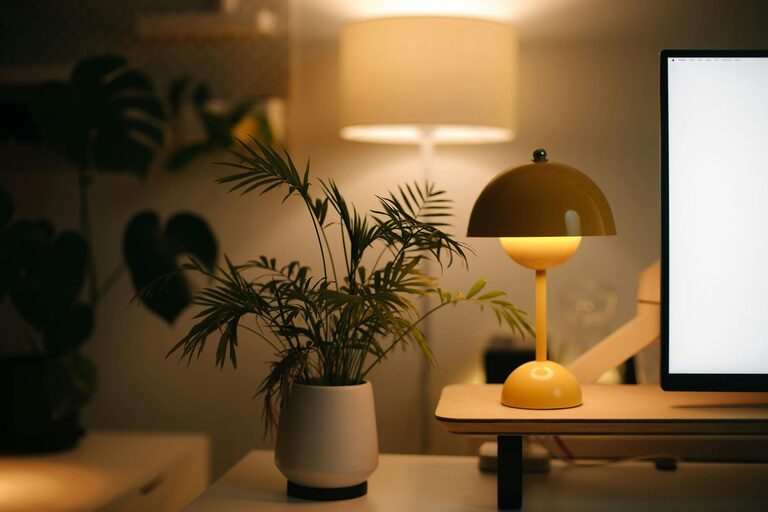
Creating a relaxing home workspace is essential for maintaining focus, reducing stress, and boosting productivity. With many people working from home, having a well-designed area dedicated to work can make a huge difference in both comfort and efficiency. Whether you have a whole room or just a small corner, these tips will help you create a space that feels calming and inviting.
Choose the Right Location
Selecting the right spot in your home is the first step. Ideally, find a place with plenty of natural light because sunlight can improve mood and energy levels. If a window isn’t available, make sure you have adequate, soft lighting that won’t strain your eyes. Avoid high-traffic or noisy areas that could disrupt your focus.
Consider Privacy and Noise
If possible, choose a quiet corner where you won’t be interrupted. Noise-canceling headphones or a white noise machine can help drown out distracting sounds. If complete silence isn’t achievable, adding some background music that helps you concentrate might work well.
Invest in Comfortable Furniture
Comfort is key for a relaxing workspace. A supportive chair with adjustable height and backrest can prevent discomfort and promote good posture. Pair this with a desk that fits your space and allows you to organize your work essentials easily.
Ergonomic Setup
Position your computer screen at eye level to avoid neck strain. Keep your keyboard and mouse at a height where your arms can rest comfortably. Ergonomic accessories like wrist rests or a footrest can enhance comfort during long work sessions.
Keep Your Space Organized
Clutter can cause stress and distract you from your tasks. Maintain an organized workspace by using storage solutions like shelves, filing cabinets, or desk organizers. Regularly clean and tidy your area to keep it inviting and functional.
Use Minimalist Decor
Opt for simple and soothing decor that inspires calmness without overwhelming the senses. A few personal touches like a favorite photo, a small plant, or a piece of artwork can make the space feel welcoming and uniquely yours.
Incorporate Nature
Adding natural elements can increase relaxation and creativity. Houseplants are a great choice; they improve air quality and add a splash of green. Even a small vase of fresh flowers or natural materials like wood and stone can make your workspace more serene.
Manage Lighting Effectively
Good lighting reduces eye strain and sets the mood of your workspace. Use layered lighting—combine ambient light from ceiling fixtures with task lighting such as a desk lamp. Adjustable lamps allow you to control brightness according to the time of day and the work you’re doing.
Control Temperature and Air Quality
An uncomfortable temperature can be distracting. Make sure your workspace is well-ventilated with fresh air circulating. If possible, use a fan or heater to keep the temperature steady throughout the day.
Create a Routine and Boundaries
A relaxing workspace also involves the mental boundaries you set. Define your working hours and stick to them to avoid burnout. At the end of the day, take time to close your workspace or put away work materials to help your brain shift out of work mode.
Add Personal Comfort Items
Keep a few comfort items nearby like a water bottle, a cozy blanket, or stress-relief tools such as a stress ball or essential oils. These small touches can make your workday feel more pleasant and manageable.
Final Thoughts
Designing a relaxing home workspace doesn’t have to be complicated or expensive. By prioritizing comfort, organization, lighting, and personal touches, you can create an environment that supports both productivity and peace of mind. Start with small changes and adapt your space to suit your unique needs. A calm workspace can greatly enhance your well-being and success while working from home.
