Creating a relaxing home office environment is essential for boosting productivity, especially as more people work remotely or in hybrid settings. A well-designed workspace that promotes calm and focus can make the difference between a stressful workday and a productive one. Whether you have a dedicated room or a cozy corner, the following tips will help you craft a home office that supports both relaxation and efficiency.
Why a Relaxing Home Office Matters
Working from home offers convenience but also presents challenges like distractions and blurred boundaries between work and personal time. A relaxing environment helps reduce stress, improves concentration, and encourages a positive mindset, allowing you to get more done with less fatigue.
1. Choose the Right Location
Selecting the right spot for your home office is the first step in creating a peaceful workspace.
– Natural Light: Position your desk near a window if possible. Natural light boosts mood and alertness.
– Away from Noise: Pick a quiet area, away from heavy foot traffic, household noise, or noisy appliances.
– Separate Space: If space allows, use a dedicated room or partition to separate work from relaxation zones.
2. Invest in Comfortable Furniture
Comfort is crucial for maintaining productivity throughout the day.
– Ergonomic Chair: A good chair supports your posture and prevents back pain.
– Supportive Desk: Choose a desk height that allows your arms to rest comfortably when typing.
– Adjustable Options: Consider sit-stand desks to change positions and reduce fatigue.
3. Create a Clutter-Free Zone
A messy workspace can be distracting and stressful.
– Organize Supplies: Use storage boxes, drawers, or shelving to keep items tidy and accessible.
– Cable Management: Use clips or sleeves to keep cords neat and out of sight.
– Minimalist Setup: Only keep essentials on your desk to maintain a clean surface.
4. Use Calming Colors and Decor
Your surroundings influence your mood and focus.
– Soft, Neutral Colors: Shades like soft blues, greens, and light grays create a soothing atmosphere.
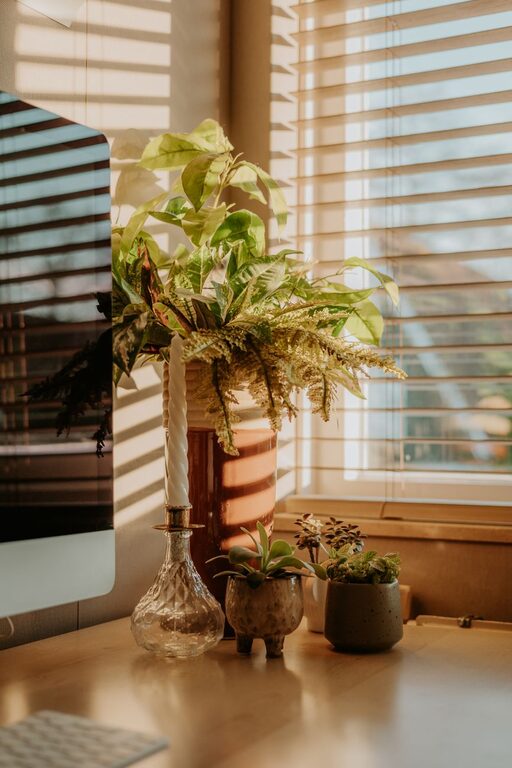
– Personal Touches: Add artwork, plants, or photos that inspire and relax you.
– Avoid Overstimulation: Limit bright, harsh colors and avoid cluttered or busy patterns.
5. Incorporate Plants for Freshness and Calm
Indoor plants help purify the air and reduce stress.
– Easy-Care Options: Succulents, snake plants, or pothos require minimal maintenance.
– Placement: Position plants near your desk or window to enjoy greenery throughout your workday.
6. Pay Attention to Lighting
Proper lighting reduces eye strain and sets the right tone.
– Layered Lighting: Combine natural light with ambient, task, and accent lighting.
– Adjustable Lamps: Use desk lamps with adjustable brightness and direction.
– Avoid Glare: Position screens to avoid reflections from windows or lights.
7. Control Noise Levels
Sound can either support or disrupt your focus.
– Noise-Canceling Headphones: Useful for blocking out distracting noises.
– Soft Background Sounds: Consider white noise machines or gentle instrumental music.
– Soundproofing: Add rugs, curtains, or wall panels to absorb excess noise.
8. Maintain Good Air Quality
A fresh environment helps you stay alert and comfortable.
– Ventilation: Keep windows open when possible to circulate fresh air.
– Air Purifiers: Consider using purifiers to remove allergens and dust.
– Avoid Strong Scents: Use subtle, natural scents like lavender or eucalyptus through essential oil diffusers.
9. Establish Daily Rituals
Habits can enhance the relaxing ambiance and your work rhythm.
– Start with a Routine: Begin each day with a calming activity like stretching or meditation.
– Breaks: Schedule short breaks away from screens to rest your mind.
– End-of-Day Routine: Tidy your workspace and close your workday with a clear transition.
10. Use Technology Wisely
The right tools can streamline your work without adding stress.
– Organizational Apps: Use digital tools for task management and time tracking.
– Limit Notifications: Disable non-essential alerts to minimize interruptions.
– Ergonomic Accessories: Consider keyboards, mice, or stands designed for comfort.
—
Final Thoughts
Designing a relaxing home office is about creating an environment that supports your well-being and productivity. By carefully considering your location, furniture, lighting, and ambiance, you can build a space where work feels natural and stress is minimized. Small changes can lead to big improvements in focus and satisfaction during your workday.
Remember, your home office should reflect your needs and preferences. Take time to experiment and adjust your setup until it feels just right for you. With the right environment in place, your productivity and happiness will flourish.

Related Posts