Creating a relaxing home workspace is essential for staying productive and motivated, especially when many people spend significant hours working from home. A well-designed space not only helps you focus but also reduces stress and improves your overall well-being. Whether you have a dedicated room or just a small corner, these tips will help you create a comfortable, inspiring, and efficient work environment.
Why a Relaxing Workspace Matters
Your home workspace should support your concentration and creativity. When the area feels cluttered, noisy, or uncomfortable, it can lead to frustration and burnout. On the other hand, a calming environment helps you maintain a positive mindset, manage time effectively, and ultimately be more productive.
Choose the Right Location
Find a Quiet Spot
Select a place in your home that experiences minimal distractions and foot traffic. If possible, avoid busy areas like the kitchen or living room, where noise and activity can interrupt your focus.
Maximize Natural Light
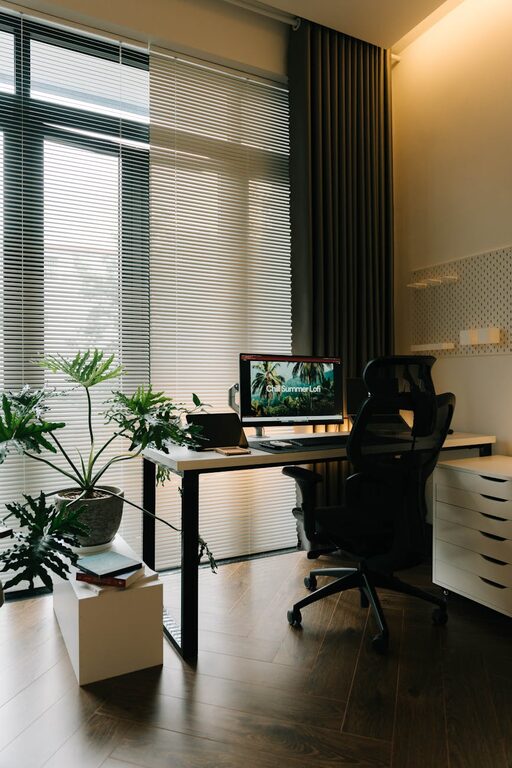
Natural light can boost your mood and energy levels. Position your desk near a window to enjoy daylight. If natural light isn’t available, invest in quality task lighting that mimics natural tones without causing glare.
Invest in Comfortable Furniture
Prioritize Ergonomics
Choose a chair and desk that support good posture. An ergonomic chair with adjustable height and lumbar support prevents back pain. Your desk should allow your arms to rest comfortably while typing.
Add Soft Textures
Incorporate soft cushions, a throw blanket, or a footrest to make your space cozy. Soft textures provide comfort and can help reduce tension from long periods of sitting.
Declutter and Organize
Keep Essentials Within Reach
Arrange your most-used items, such as notebooks, pens, or devices, within easy reach to avoid distractions caused by searching for supplies.
Use Storage Solutions
Utilize shelves, drawers, and organizers to keep your workspace tidy. Decluttering reduces visual noise and creates a calm atmosphere.
Personalize Mindfully
Add Plants
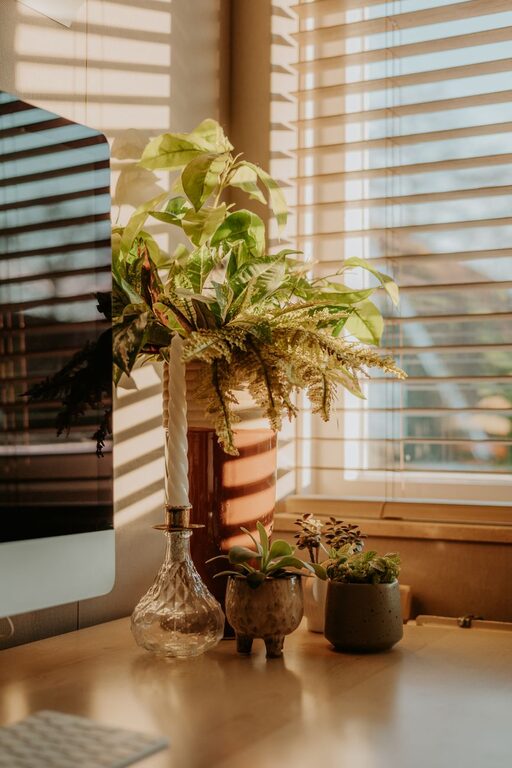
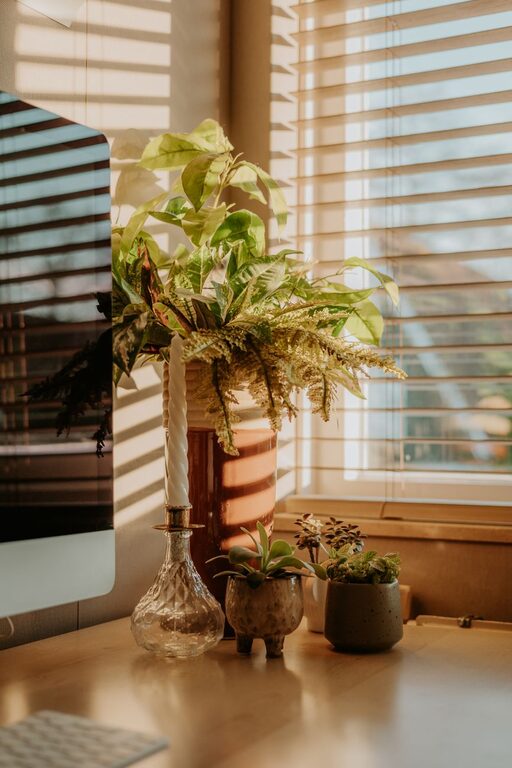
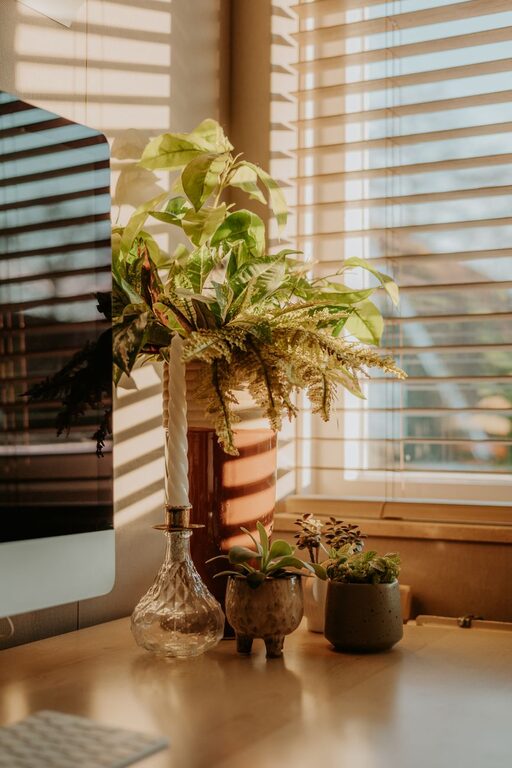
Indoor plants improve air quality and bring a touch of nature indoors. Simple greenery can also promote relaxation and reduce stress.
Use Calming Colors
Choose colors for your walls and accessories that evoke tranquility, such as soft blues, greens, or neutrals. Avoid overly bright or harsh colors that may cause distraction.
Limit Noise and Distractions
Utilize Noise-Canceling Tools
If you can’t avoid background noise, consider noise-canceling headphones or play ambient sounds like white noise, nature sounds, or soft music to keep focused.
Set Boundaries
Communicate your work hours with family or roommates to minimize interruptions during important tasks.
Incorporate Breaks and Movement
Schedule Short Breaks
Include short breaks in your work routine to stretch, hydrate, or simply relax your eyes. Breaks help sustain energy and reduce mental fatigue.
Create a Relaxation Corner
If space allows, dedicate a small area with a comfortable chair or cushion where you can briefly step away from your desk to breathe and recharge.
Optimize Technology Setup
Reduce Screen Glare
Adjust the position of your monitor to avoid reflections. Consider blue light filters or glasses to reduce eye strain during long screen time.
Keep Cables Managed
Use cable organizers to prevent tangled wires. A neat tech setup supports a more orderly and stress-free environment.
Maintain Air Quality and Temperature
Ventilate Regularly
Fresh air circulation improves comfort and concentration. Open windows when possible or use an air purifier to maintain clean air.
Control Temperature
Keep the room at a comfortable temperature. A too-hot or too-cold space can distract from work.
Final Thoughts
Building a relaxing home workspace takes intentionality but pays off by making your workday smoother and more enjoyable. By combining comfort, organization, and personal touches, you can create a place that supports productivity and well-being. Experiment with these tips to find what works best for your needs and start experiencing the benefits of a peaceful work environment at home.

Related Posts