
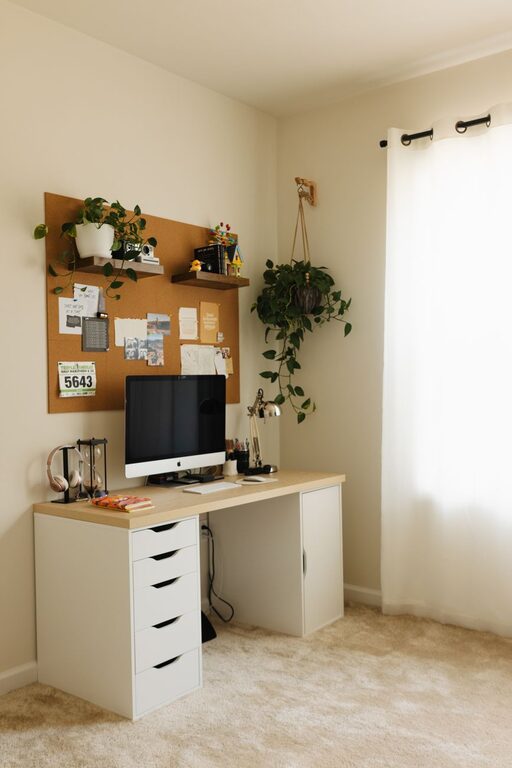
Working from home has become a common part of many people’s routines. Whether you’re a full-time remote worker, a freelancer, or just occasionally handling tasks at home, having a comfortable and productive home office is essential. Creating a space that supports your work can improve focus, reduce stress, and make your day more enjoyable.
In this post, we’ll explore key tips for designing and organizing a home office that helps you stay comfortable and productive.
Choose the Right Location
Finding the best spot for your home office is the first step. Ideally, select a quiet area away from high-traffic zones in your home. If possible, dedicate a separate room to your office to create a clear boundary between work and personal life.
When space is limited, look for corners or nooks that can be converted into a workstation. Natural light is a big plus, so try to pick a location near a window.
Invest in Ergonomic Furniture
Comfort plays a huge role in productivity. Spending long hours in an uncomfortable chair or hunched over a desk can lead to pain and fatigue.
– Desk: Choose a desk that fits your space and provides enough room for your computer, paperwork, and other essentials.
– Chair: An ergonomic chair with adjustable height, lumbar support, and armrests will help maintain good posture.
– Keyboard and Mouse: Consider ergonomic keyboards and mice to reduce strain on your wrists.
Adjust your furniture to keep your screen at eye level and your feet flat on the floor. This setup helps minimize discomfort and health issues over time.
Manage Lighting Effectively
Proper lighting reduces eye strain and creates a pleasant atmosphere.
– Natural Light: Make the most of daylight by positioning your desk near a window. Avoid direct sunlight on your screen to prevent glare.
– Task Lighting: Use desk lamps or adjustable lights to illuminate your work without shadows.
– Ambient Lighting: Soft overhead lighting helps reduce contrast and eases eye fatigue.
Experiment with different lighting options until you find a balance that works best.
Keep Your Workspace Organized
A clutter-free desk promotes a clear mind and better focus.
– Use Storage Solutions: Incorporate shelves, drawers, or filing cabinets to keep documents and supplies tidy.
– Declutter Regularly: Set aside time each week to organize papers and remove unnecessary items.
– Minimalist Setup: Keep only the essential tools on your desk to avoid distractions.
Labeling storage areas and using cable organizers can also help maintain order.
Incorporate Personal Touches
A welcoming space can increase your motivation and comfort.
– Decorate Thoughtfully: Add photos, plants, or artwork that inspire you without overwhelming the space.
– Use Colors Wisely: Calming colors like soft blues or greens can create a relaxing environment, while brighter accents may boost energy.
– Comfort Items: Keep a cozy blanket, a small fan, or a diffuser nearby to adjust the environment as needed.
Personal touches make your home office feel like your own productive haven.
Set Boundaries and Create a Routine
Working from home means it’s easy to get distracted or work too much.
– Define Work Hours: Decide when your workday starts and ends, just as you would in a traditional office.
– Use Physical Cues: Closing the door or using a room divider helps signal when you’re working.
– Take Regular Breaks: Step away from your desk periodically to stretch, hydrate, and refresh your mind.
Establishing clear boundaries helps maintain work-life balance.
Use Technology to Your Advantage
Efficient tools can simplify tasks and enhance productivity.
– Reliable Internet: Ensure your connection is fast and stable to avoid interruptions.
– Essential Software: Use apps for task management, communication, and time tracking.
– Backup Solutions: Regularly save your work using cloud storage or external drives.
Keeping your technology organized and updated reduces frustration.
Maintain Good Air Quality and Temperature
Physical comfort affects your ability to concentrate.
– Ventilation: Open windows or use air purifiers to keep the air fresh.
– Temperature: Adjust heating or cooling to a comfortable level.
– Plants: Adding greenery can improve air quality and create a calming atmosphere.
Comfortable temperature and clean air contribute to better focus.
Final Thoughts
Designing a comfortable and productive home office doesn’t require a large budget or complicated plans. Focus on creating a space that supports your needs, promotes good posture, and keeps distractions at bay. With the right setup and thoughtful organization, your home office can become a place where work feels easier and more fulfilling.
Remember, adjusting your space over time based on what works best for you is key. Happy working from home!

Related Posts